
Wood fences can add privacy, security, and a natural look to a yard. However, they can also be damaged by weather, soil, insects, and daily wear. Many problems begin slowly. A small crack, loose board, soft post, or rusty fastener can become a larger issue if ignored.
Knowing what causes damage helps you spot trouble early and decide when repairs may be needed.
Moisture Can Weaken Wood Fences
Water is one of the most common causes of wood damage. Rain, sprinklers, wet plants, and poor drainage can keep boards and posts damp for long periods. When wood stays wet, it can swell, warp, soften, and begin to rot.
Moisture problems often appear near the bottom of a fence, around posts, or in shaded areas that dry slowly. Signs include dark spots, soft wood, peeling finish, cracks, and weak boards.
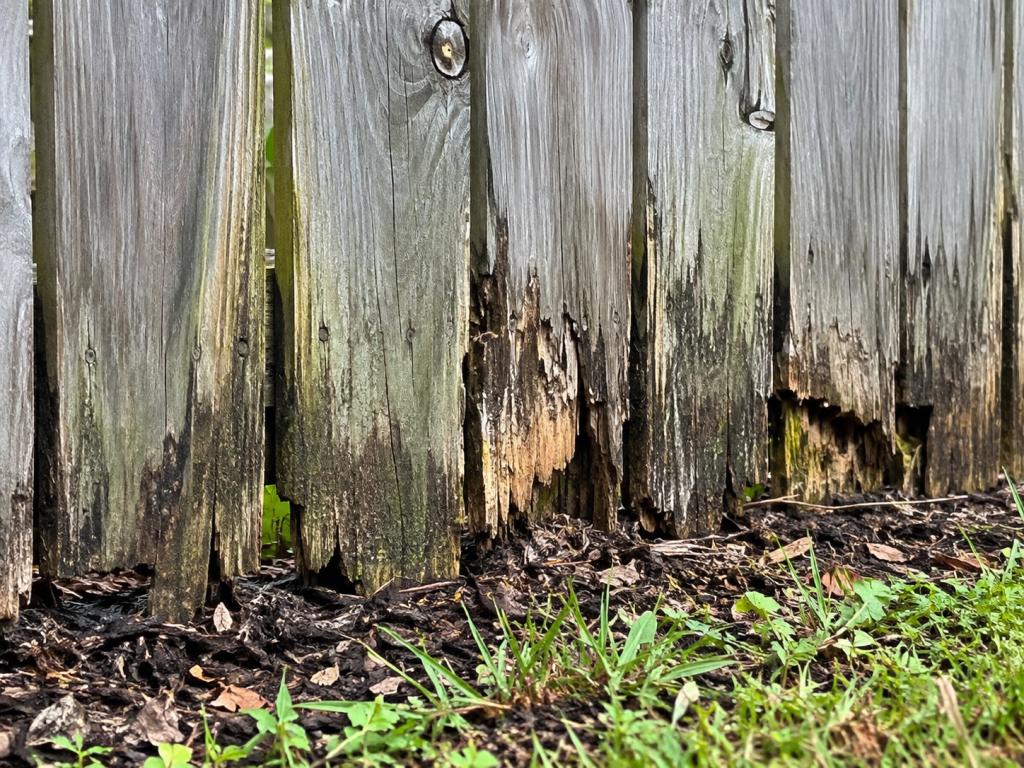
Soil Contact Can Damage Wood Fences
Direct soil contact can keep wood damp even when the weather is dry. Fence boards that touch the ground may absorb moisture from the soil. Posts can also weaken below the surface where damage is harder to see.
Grass, mulch, and soil piled against the fence can hold water near the wood. Check for:
- Boards resting on soil
- Soft wood near the ground
- Mulch built up around posts
- Leaning posts or sections
- Crumbling wood at the base
Keeping a small gap between boards and the soil can reduce constant moisture contact.
Insects Can Cause Hidden Wood Damage
Termites, carpenter ants, and other insects may damage wood from the inside. A board can look normal on the outside while becoming weak inside.
Watch for small holes, sawdust-like material, hollow-sounding wood, or boards that break easily. Wood that stays damp may also be more open to insect activity, so moisture control can help reduce risk.
Sunlight Can Dry and Fade Wood Fences
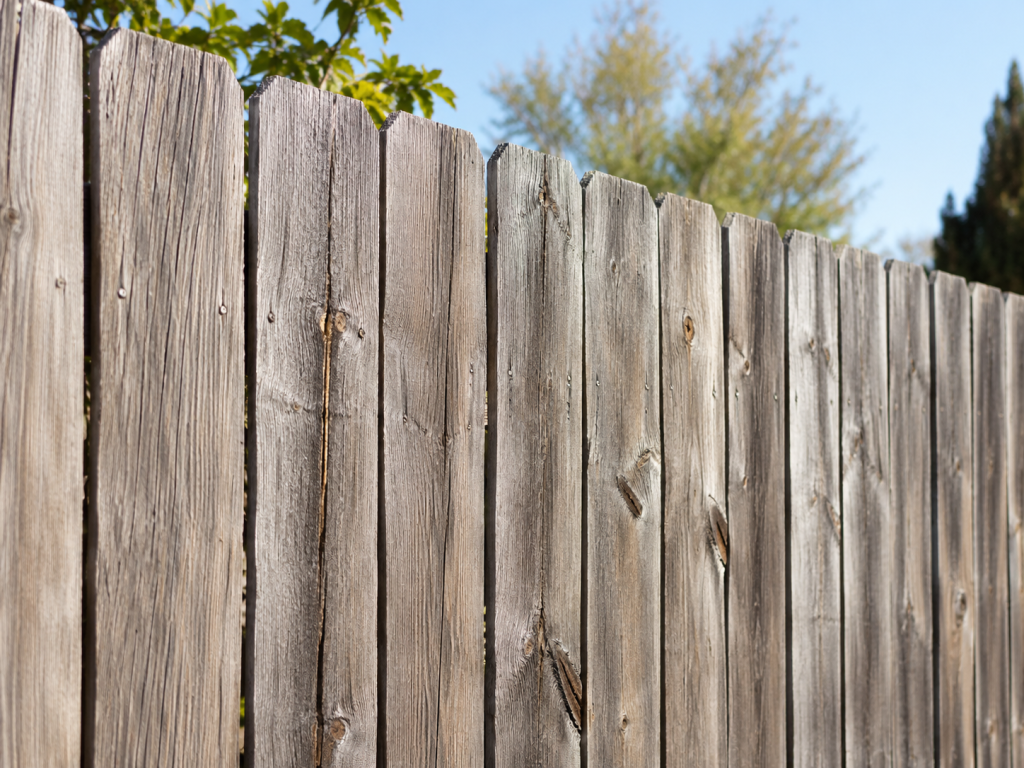
Strong sunlight can change the look and condition of outdoor wood. UV rays can fade the surface, dry it out, and reduce its natural oils.
As wood dries, it may turn gray, become rough, crack, or split more easily. Repeated cycles of heat, rain, and drying can also make boards expand and shrink. A protective stain or finish can slow weathering, but worn areas may need new protection over time.
Loose Hardware Can Affect Wood Fences
Screws, nails, brackets, hinges, and other hardware help keep a fence stable. Over time, movement, moisture, and rust can loosen or fail these parts.
Loose fasteners may let boards or rails shift. Gate hinges can sag, while weak brackets may let panels pull away from posts. Small movements can place more stress on nearby parts. Check for rust, missing fasteners, loose screws, and sagging hinges. Professional fence repair services may help stop damage from spreading.
Strong Winds Can Damage Wood Fences
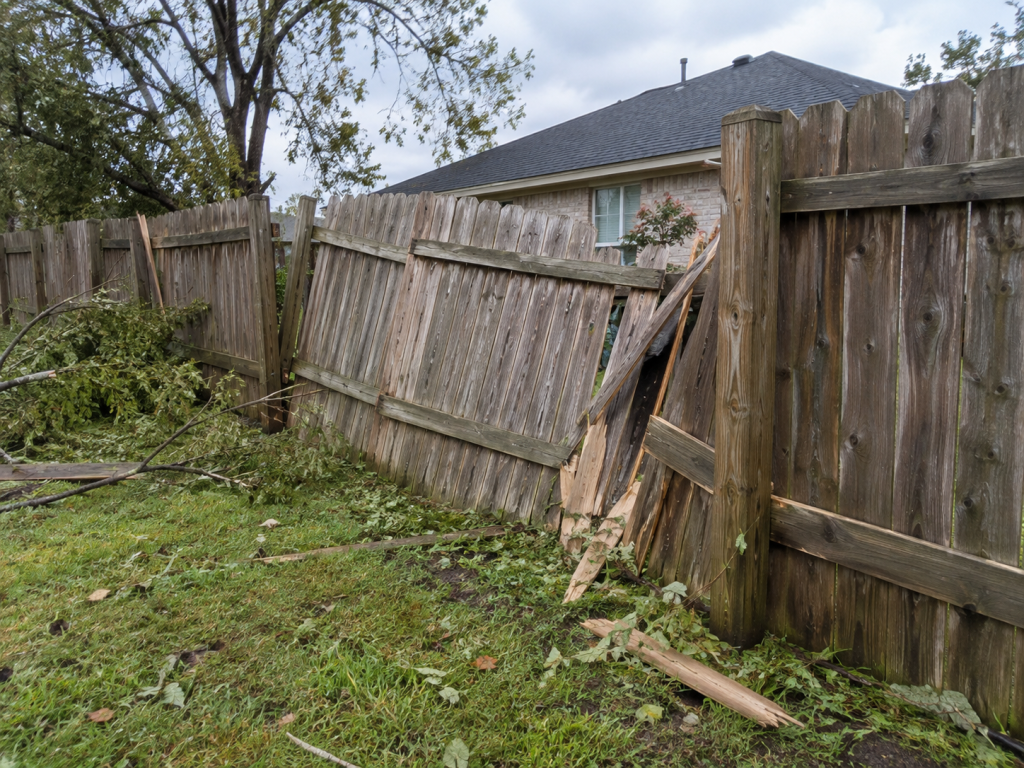
A solid fence catches a large amount of wind. During storms or strong gusts, pressure can push against panels, rails, and posts. Weak areas may bend, crack, or pull away.
Wind damage is more likely when posts are already soft, soil is wet, or hardware is loose. Fallen branches can also break boards or damage full sections.
After severe weather, look for:
- Leaning posts
- Broken or missing boards
- Loose panels
- Cracked rails
- Gates that no longer close correctly
How to Reduce Damage to Wood Fences
Regular care can help catch small problems before they spread. Walk along the fence every few months and check posts, boards, rails, gates, and hardware.
Keep plants trimmed away from the wood, avoid letting sprinklers soak the fence, and do not pile soil or mulch against the base. After storms, check for movement or broken parts. If damage keeps returning, a professional review can help determine whether repairs are enough or whether a new fence installation makes more sense.
Frequently Asked Questions
How often should wood fences be checked?
A quick inspection every few months is helpful. Check again after strong storms, heavy rain, or high winds.
Can a small rotten area be repaired?
Sometimes. If damage is limited to one board or a small section, repair may be possible. Widespread rot may require larger replacement work.
Why do fence posts rot near the ground?
The base of a post often stays damp from rain and soil. Constant moisture can soften the wood and cause it to decay.
Can loose hardware cause serious damage?
Yes. Loose fasteners can let boards, rails, gates, and panels move, putting more stress on nearby parts.
Protect Your Fence From Ongoing Damage
Wood fences face moisture, soil, insects, sunlight, loose hardware, and strong winds year-round. Most damage develops over time, so regular checks matter. Catching rot, cracks, movement, or loose parts early may help prevent larger problems.
If your fence shows signs of wear, Cole Deck and Fence can help with repair or replacement options. Contact us to discuss your project, or explore the Cole Deck and Fence blog for more fence, deck, and outdoor living tips.